


Why two IIM-A alumni chose OEKO-TEX® certified activewear over polyester

People ask why two IIM-A graduates spent months obsessing over fabric certifications instead of logo design. Here's the answer: we couldn't ignore the problem any longer.
The problem we couldn't stop thinking about
Before QivoFit, I spent years at Mamaearth building a brand around ingredient transparency. Women started demanding to know what was in their moisturisers. They read labels. They Googled parabens.
But then those same women would pull on polyester leggings for their morning workout, sweat, develop a rash by noon, and assume it was just how working out feels.
It isn't.
Here's what happens: polyester fabric traps sweat and sebum against your skin instead of wicking it away. This creates the perfect environment for bacterial growth, which leads to rashes, irritation, and odour. On top of that, most polyester requires chemical finishing agents like PFAs (forever chemicals) and other substances to achieve sweat-wicking and durability. When you sweat, these chemicals leach directly onto your skin at the exact moment your pores are most open. You're dealing with both a fabric structure problem and a chemical exposure problem.
Finding a better fabric: 15 months of R&D
Once we identified the problem, the first question wasn't about certification. It was: what fabric actually solves this?
We spent 15 months searching. We contacted over 50 suppliers - domestic and international. We tested 10+ fabric samples. Roughly 80% of activewear sold in India is polyester, but we needed something different.
Here's why: polyester's fiber structure naturally traps moisture against your skin. To force sweat-wicking, manufacturers add chemical finishing agents like PFAs, heavy metals and formaldehyde. But even with aggressive chemicals, polyester still doesn't move moisture away efficiently.
Nylon is different. Its molecular structure wicks moisture from skin to the fabric's surface naturally and quickly. This prevents the sweat and sebum buildup that causes bacterial growth, rashes, and odour. It also means the fabric doesn't require aggressive chemical finishes to perform. That was the breakthrough.
After 15 months and dozens of samples, we landed on a nylon-spandex blend we called QURVE™. But finding the right fabric was only half the battle.
Proving it works: certification and dermatologist review
We put QURVE™ through international testing to OEKO-TEX® Standard 100 certification. Every component, yarn, dyes, finishing agents and thread is tested for over 100 harmful substances, including PFAs, heavy metals, formaldehyde, and pesticide residues.
But we went further. We had dermatologists personally review the fabric for skin safety. They assessed its composition, finishing agents, and behaviour under moisture and friction. Combined with OEKO-TEX® certification, that's two independent validation layers.
QURVE™ is also PFA-free. PFAs, known as "forever chemicals," are commonly used in performance fabrics but have been linked to endocrine disruption and skin irritation. We designed a fiber that performs without them.
Why this matters more in India than anywhere else
Here's what global brands miss: Indian climate conditions amplify every fabric-skin interaction. But there's more : most activewear is designed for global body proportions, not Indian women.
When you work out in Mumbai in July or Delhi in May, your body produces significantly more sweat than someone in a temperate European climate. That means longer chemical-skin contact time, higher friction, and greater heat. A fabric fine in London can be genuinely problematic in Chennai.
We tested QURVE™ in Indian humidity conditions, not in a lab in Europe.
Every construction decision starts with the same question: where does fabric usually irritate Indian women during a workout?
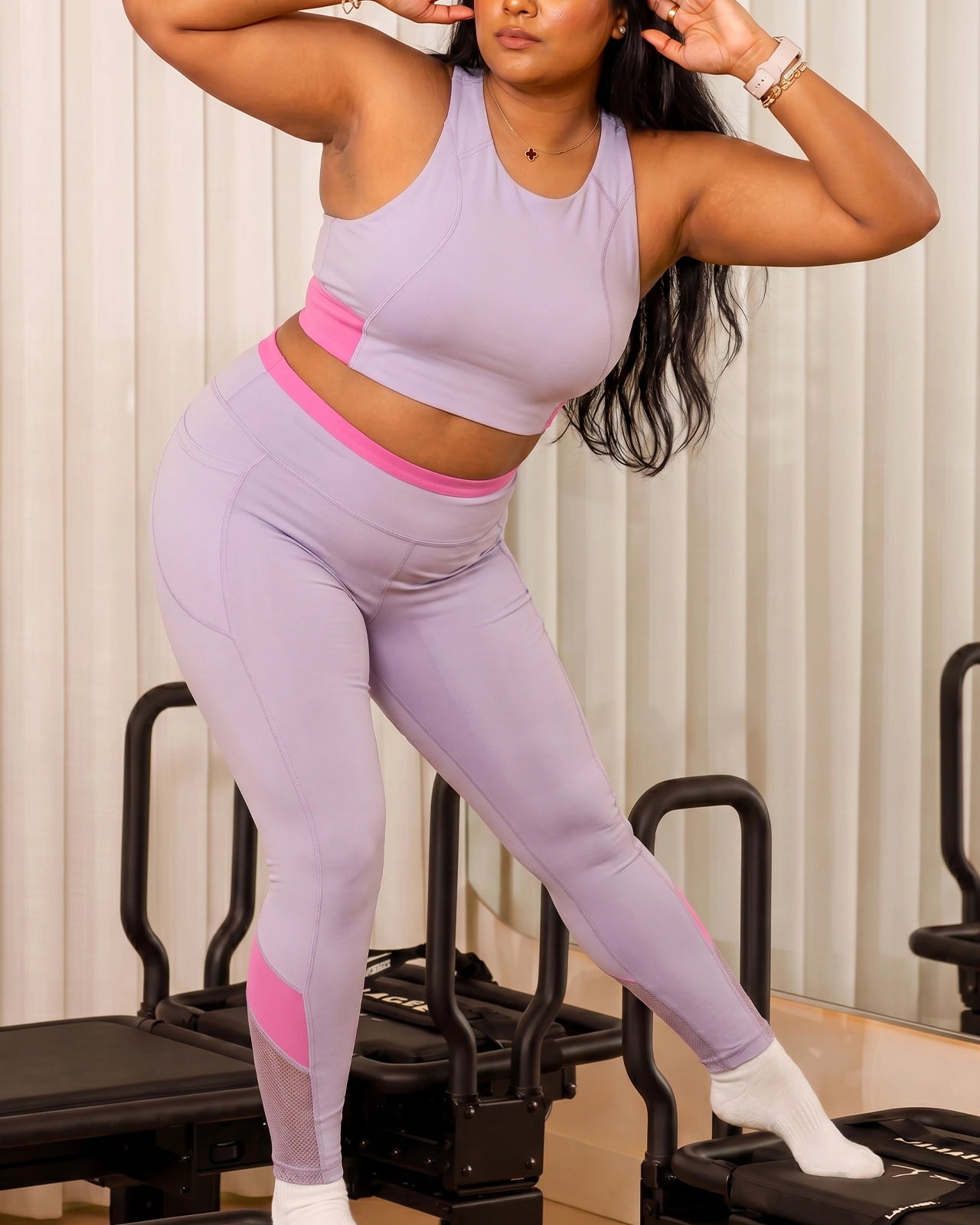
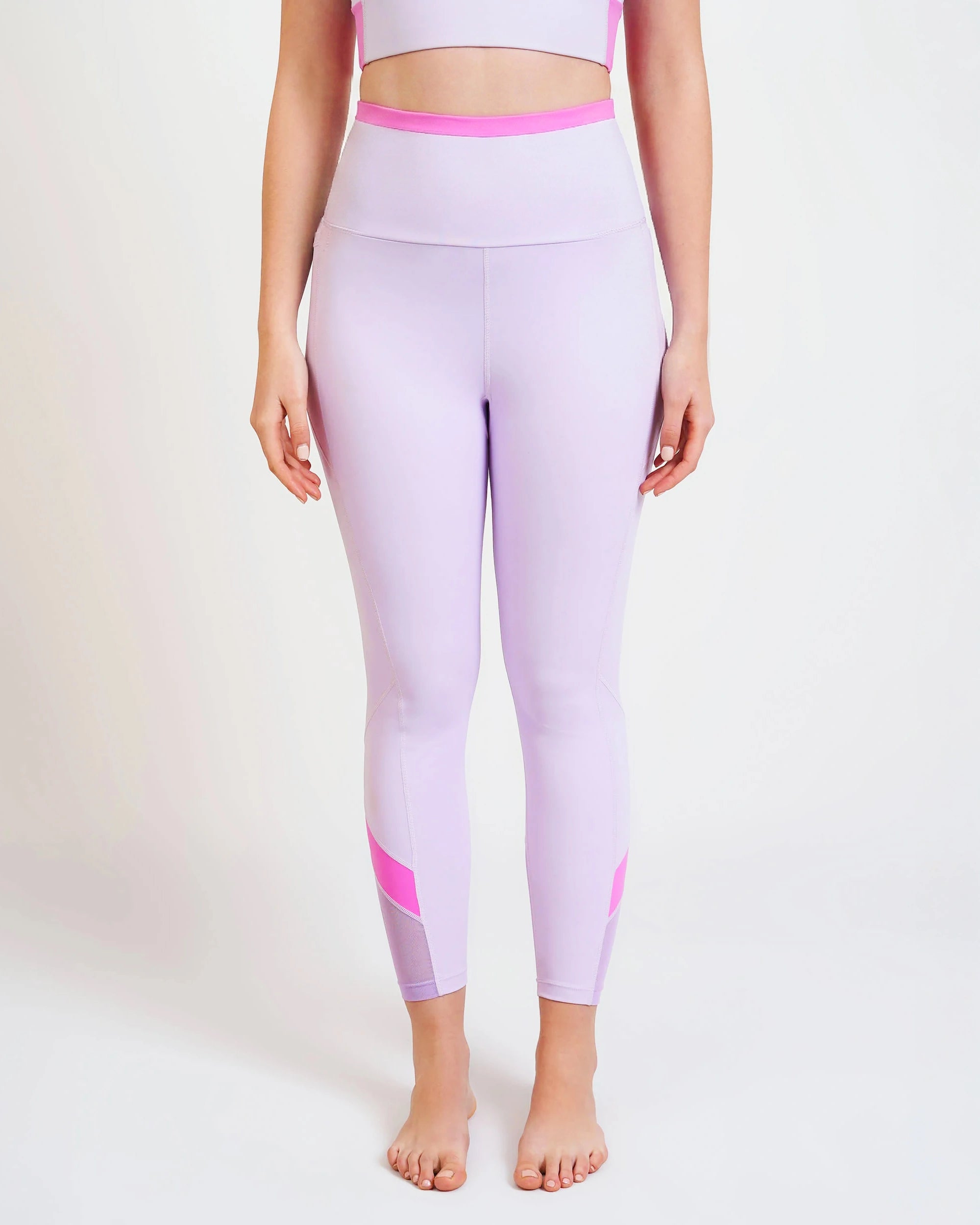
The Double-Bonded Waistband in our leggings exists because a rolling waistband creates constant friction at your midsection, exactly where sweat pools first. The gusset eliminates bunching in the inner thigh, one of the most common chafing sources. Our Full Coverage Sports Bra features a moulded cup designed for bust-inclusive sizing. We've engineered it to fit a wider range of body types without the common issues of gaps, spillage, or strap slippage that plague global designs. The wide underband sits flat rather than digging in, because underband pressure combined with sweat is a texture problem that worsens the longer you wear it.
None of these are aesthetic decisions. They're answers to real problems that Indian bodies, with their own proportions, curves, and movement patterns, experience in Indian weather.
See how the construction works in detail: [https://qivofit.com/collections/leggings] and the [https://qivofit.com/collections/sports-bras].
Why this matters
People sometimes ask why we didn't just build a regular activewear brand. Better margins. Simpler supply chain. Less explaining.
The honest answer is we were trained to ask: what is the real problem, and what does solving it actually require? You develop an allergy to surface-level solutions.
The surface solution to "women get rashes from activewear" is a pretty reel about comfort and "breathable" on the packaging.
The real solution is to change the fabric, certify the change, get a dermatologist to validate it, test it in Indian conditions, and build a brand that explains this clearly, without hype.
That's what QivoFit is.
If that sounds like something your skin has been waiting for, start with the QURVE™ Studio Set. It includes both the High Rise Leggings and Full Coverage Sports Bra, so you can feel the difference in a full outfit.
---
FAQs
Q: What is OEKO-TEX® Standard 100?
A skin safety certification that tests every component of fabric, yarn, dyes, finishing agents, thread, for over 100 harmful substances including PFAs, heavy metals, formaldehyde, and pesticide residues. Think of it like an ingredient label for fabric.
Q: Why is polyester bad for skin health?
Two reasons. Its fiber structure traps sweat and sebum against your skin, creating a breeding ground for bacteria, rashes, and odour. Manufacturers then add chemical finishing agents, PFAs, heavy metals, and formaldehyde, to force sweat-wicking, which leach onto your skin when you sweat.
Q: What is QURVE™ fabric made of?
A proprietary nylon-spandex blend. Nylon naturally wicks moisture away, preventing sweat and sebum buildup that causes rashes. It performs without aggressive chemical finishes, so QURVE™ meets OEKO-TEX® Standard 100. It's polyester-free and PFA-free.
Q: How do I care for QURVE™?
Machine wash cold, gentle cycle, mild detergent. Avoid fabric softeners as they reduce moisture-wicking. Hang dry. This maintains both performance and skin-safe properties over time.
- Posted in:
- activewear for sensitive skin
- fabric science
- IIM-A founders
- OEKO-TEX certified activewear
- polyester vs nylon
- skin-safe activewear India



